by Ricardo Ramírez & Joaquín Navas
 ‘Readiness’ is an English language term that is difficult to translate into Spanish as it encompasses various themes: preparation, availability, propensity, timeliness, agility, competency, willingness – among others. In the Spanish version of this entry, we use ‘availability’ (‘disposición’) with the understanding that it covers the other themes. In the field of evaluation, readiness is foremost across the first two steps of Utilization-focused Evaluation (UFE) as proposed by Michael Quinn Patton (2008). Readiness is also referenced in other fields, for instance in communication strategy design (Ramelan, 2014).
While the goal of UFE is the actual use of evaluation, the approach relies on the direct participation of ‘evaluation users’; it is their direct engagement that provides them with a sense of ownership over the process and the findings. In other words, UFE confirm that it is very much part of other collaborative approaches to evaluation (Ramírez & Brodhead, 2020).
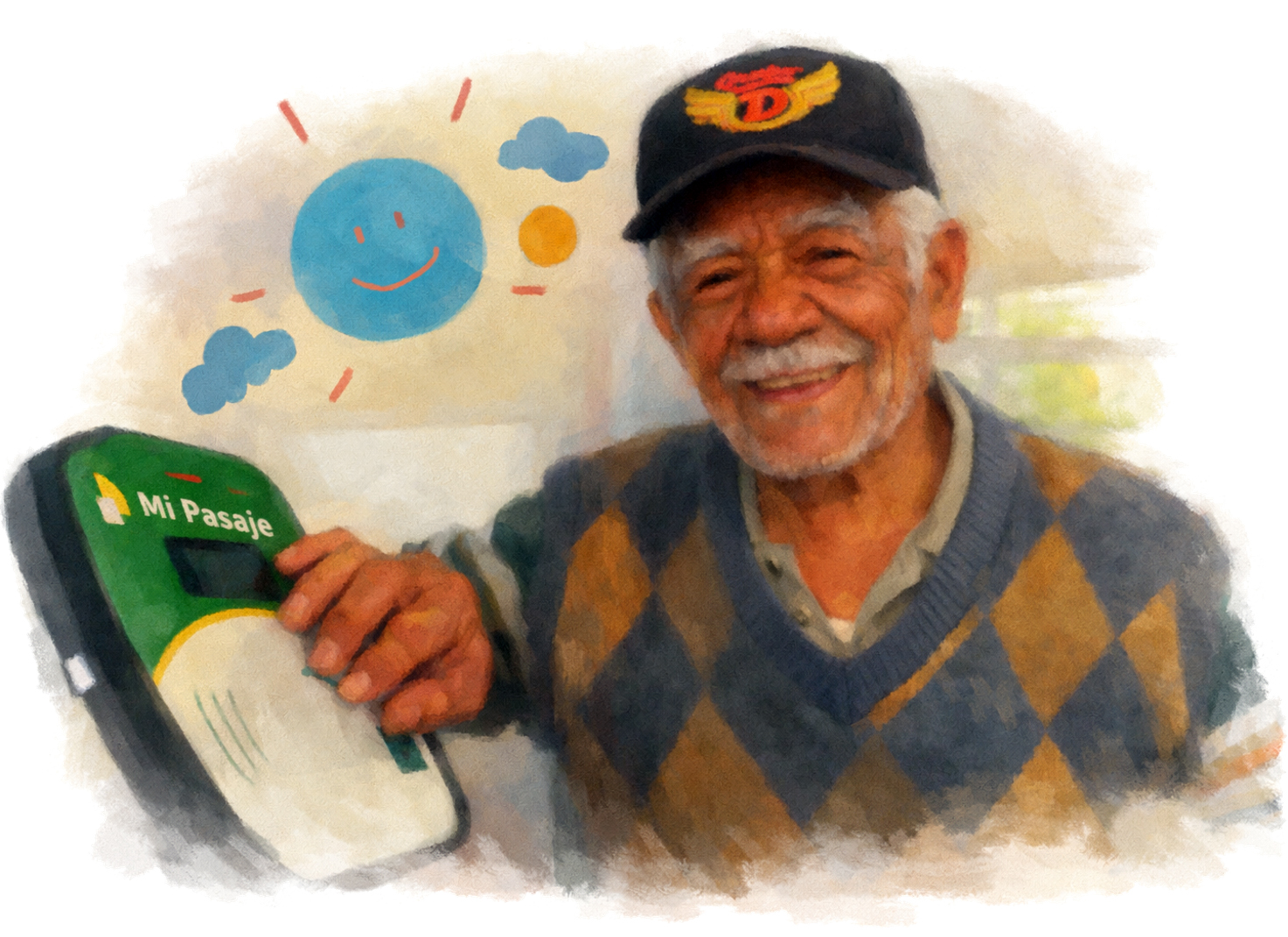 I’m genuinely delighted to share a personal take on Chapter 7: Participatory evaluation of a public transport support policy: an inclusion and transformation perspective – Jalisco (Mexico), recently published in the book Evaluation, Democracy and Transformation: Experiences of Participatory Evaluation in Latin America. I co-wrote it with Sugey Salazar and Selene Michi, and together with other colleagues we reflect on what it really means to carry out public policy evaluation using participatory approaches from within the public sector.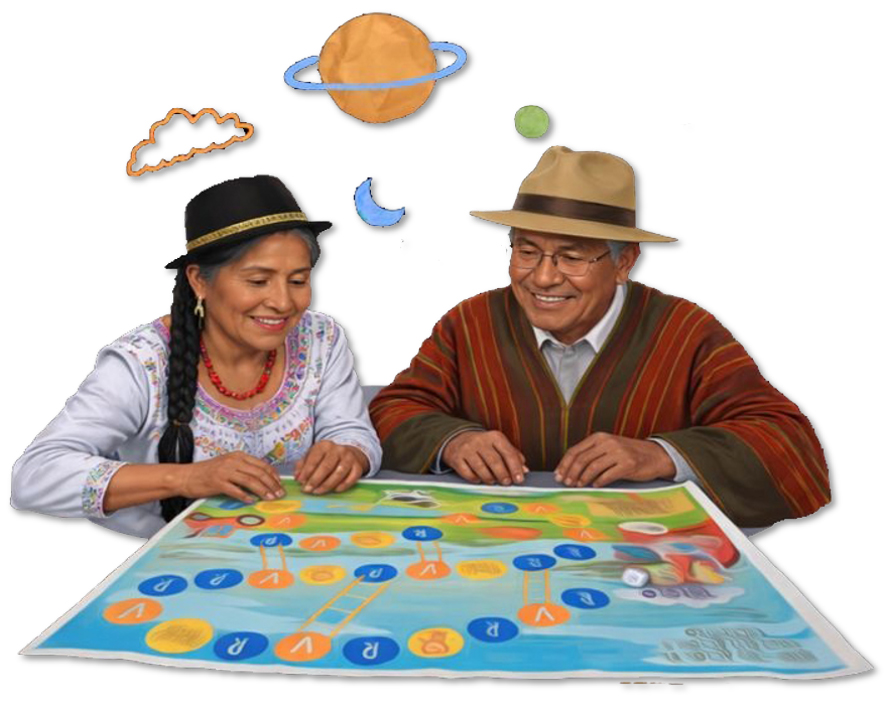
 The EvalParticipativa Podcast is a space for dialogue, exchange, and articulation within the Community of Practice and Learning in Participatory Evaluation in Latin America. It is conceived as a platform to strengthen collective learning, make situated experiences visible, and promote an approach to evaluation that is collaboratively constructed and grounded in local territories.
 As we close this seven-year cycle of collective work, we wish to celebrate what we have built together: a vibrant community of practice and learning around participatory evaluation and inclusive approaches. Within it, every voice has contributed, every shared experience has enriched us, and every encounter has woven bonds that go beyond isolated practices, now reaching more than four thousand people and multiple organizations.
 In
In 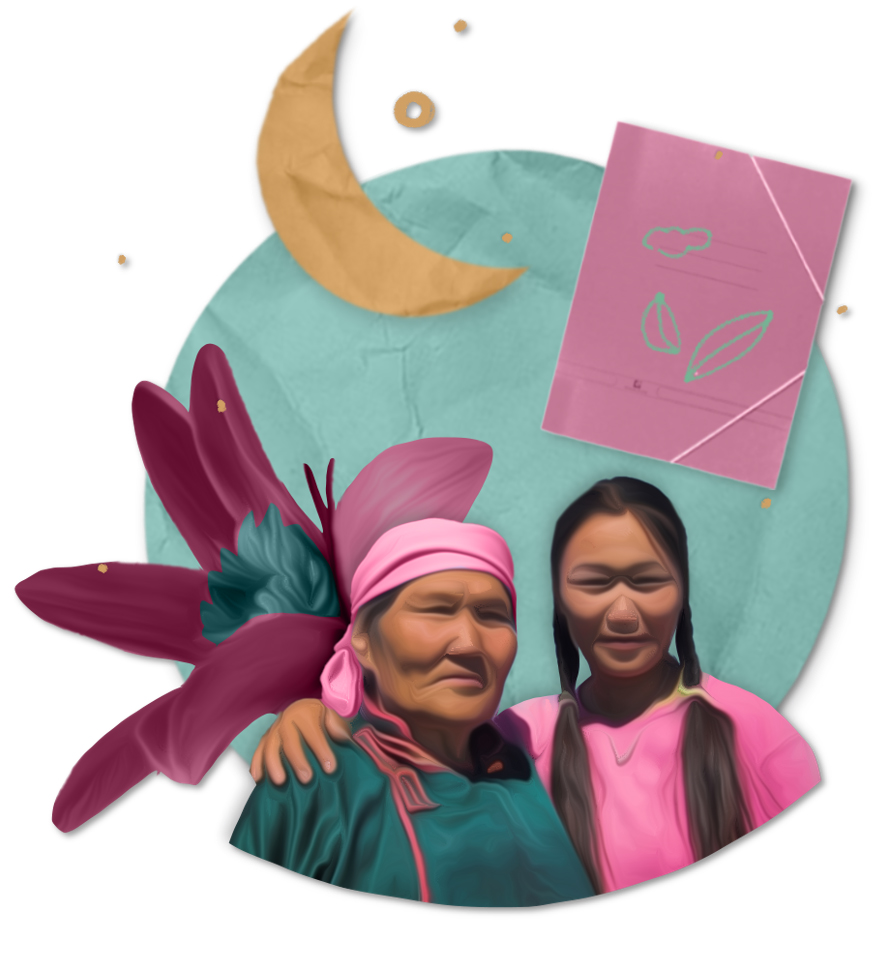 With the enforcement of Mongolia’s Law on Special Protected Area
  The chapter we present in the book
  Dear friends of EvalParticipativa,
 The EvalParticipativa Podcast is a platform for exchange and collaboration within the Community of Practice and Learning on Participatory Evaluation in Latin America. Each episode seeks to explore and share the knowledge and experiences of key figures in participatory evaluation across the region, where the professional intersects with the personal, and evaluative practice is closely linked to the lived experiences and stories of the interviewees.