by Carmen Luz Sánchez, Catalina Valdés y Camila Gallagher
 The chapter we present in the book Evaluation, Democracy, and Transformation: Experiences of Participatory Evaluation in Latin America (only in Spanish so far) recounts a concrete participatory evaluation experience carried out in the municipality of Putaendo as part of the Servicio País program.
More than a technical systematization, this is a profoundly territorial, communal, and transformative experience, which allowed us to explore how evaluation can become a tool for empowerment, collective reflection, and joint action.
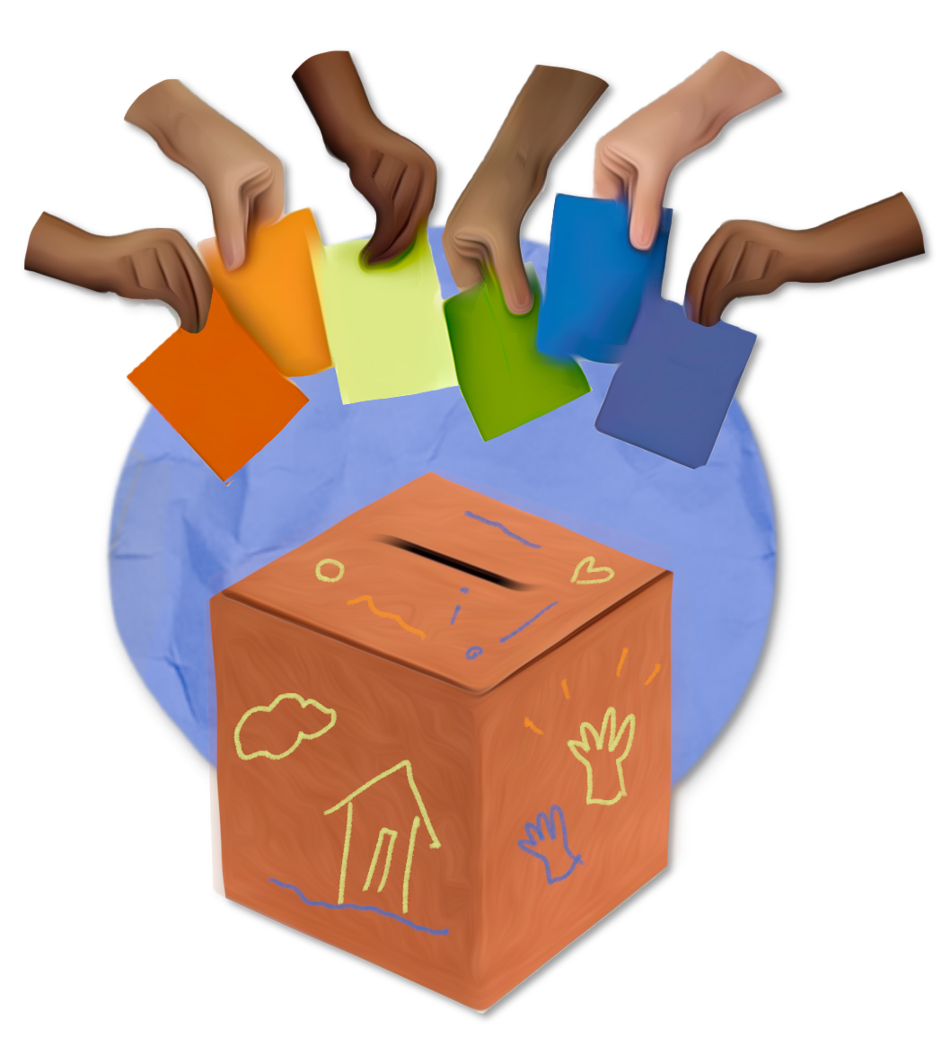 Recognising the political nature of evaluation opens a transformative door: the possibility of turning it into a tool for democratisation. When we recognise that evaluation has a political role, we acknowledge its capacity to challenge narratives and make realities visible. It is about expanding our understanding of what constitutes valid evidence and who has the right to produce it.
 We continue to share the knowledge and feelings of colleagues and friends who are leaders in participatory evaluation in Latin America and other regions as well. In these podcasts we want to give a close and human perspective, where evaluative practice is closely linked to the personal experiences, stories and territorialities of the interviewees.
 Hello community EvalParticipativa. In this post, I will present a tool that has been designed to help people talk about their projects by answering important questions that underpin their intervention’s Theory of Change (ToC).
 The ideas I share in this post are largely based on my experience working as an analyst and consultant in the 2018 evaluation of the Mexican Pensión para el Bienestar de las Personas con Discapacidad Permanente (Financial assistance to promote the wellbeing of individuals with permanent disabilities; hereafter
  On 9 November, the webinar ‘Transformation through evaluation’ hosted a discussion on the intersection of participatory evaluation and the gender perspective. These two pillars are critical to the design of inclusive, equal and transformational evaluations.
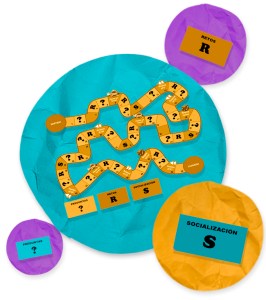
 In this article I’ll present a tool designed jointly with Vanesa Castro and Valeria Sarmiento, members of the EvalParticipativa team, which was designed to help players participate in the review and critical analysis of a project, addressing the variables or feasibility factors that are most relevant to the intervention in question.
 In our quest to keep moving forward, we look back to examine evaluation processes that we have accompanied or implemented. As we do so, it is common to ask ourselves about the impact of the decisions taken, the results produced and the recommendations made. It is normal to wonder if the experience has been useful. It can be even more challenging to respond to these questions when an evaluation has been carried out using a participatory approach, given that a great deal of effort in these cases is focused on capacity building and learning for all stakeholders.
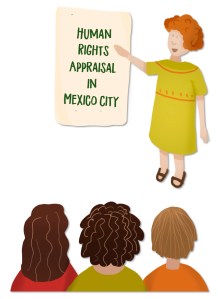 It is increasingly common to hear of participatory evaluations that give leading roles to a large range of actors affected by a particular intervention. This allows evaluations to be carried out using a more comprehensive vision, one that recovers the different perspectives involved.