by Ricardo Ramírez & Joaquín Navas
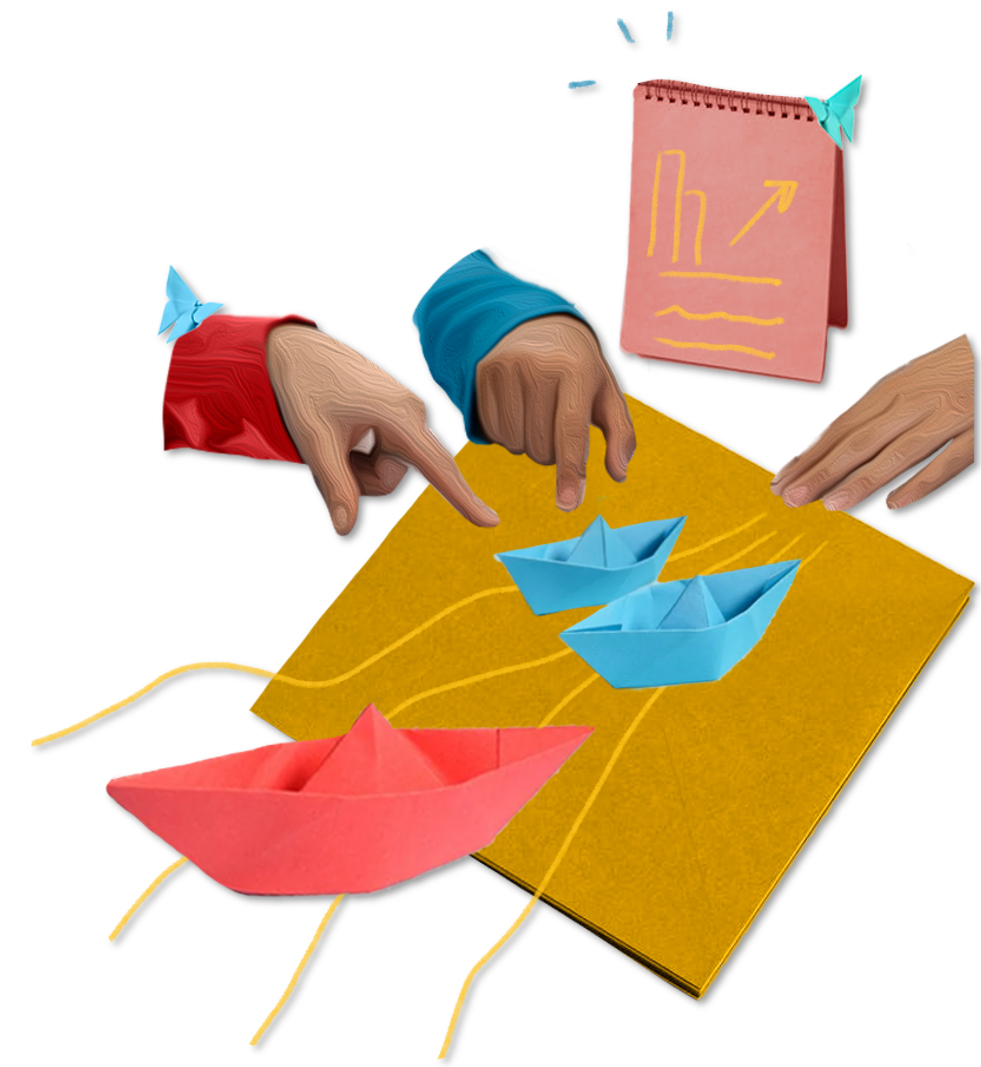 ‘Readiness’ is an English language term that is difficult to translate into Spanish as it encompasses various themes: preparation, availability, propensity, timeliness, agility, competency, willingness – among others. In the Spanish version of this entry, we use ‘availability’ (‘disposición’) with the understanding that it covers the other themes. In the field of evaluation, readiness is foremost across the first two steps of Utilization-focused Evaluation (UFE) as proposed by Michael Quinn Patton (2008). Readiness is also referenced in other fields, for instance in communication strategy design (Ramelan, 2014).
While the goal of UFE is the actual use of evaluation, the approach relies on the direct participation of ‘evaluation users’; it is their direct engagement that provides them with a sense of ownership over the process and the findings. In other words, UFE confirm that it is very much part of other collaborative approaches to evaluation (Ramírez & Brodhead, 2020).
 The EvalParticipativa Podcast is a space for dialogue, exchange, and articulation within the Community of Practice and Learning in Participatory Evaluation in Latin America. It is conceived as a platform to strengthen collective learning, make situated experiences visible, and promote an approach to evaluation that is collaboratively constructed and grounded in local territories.
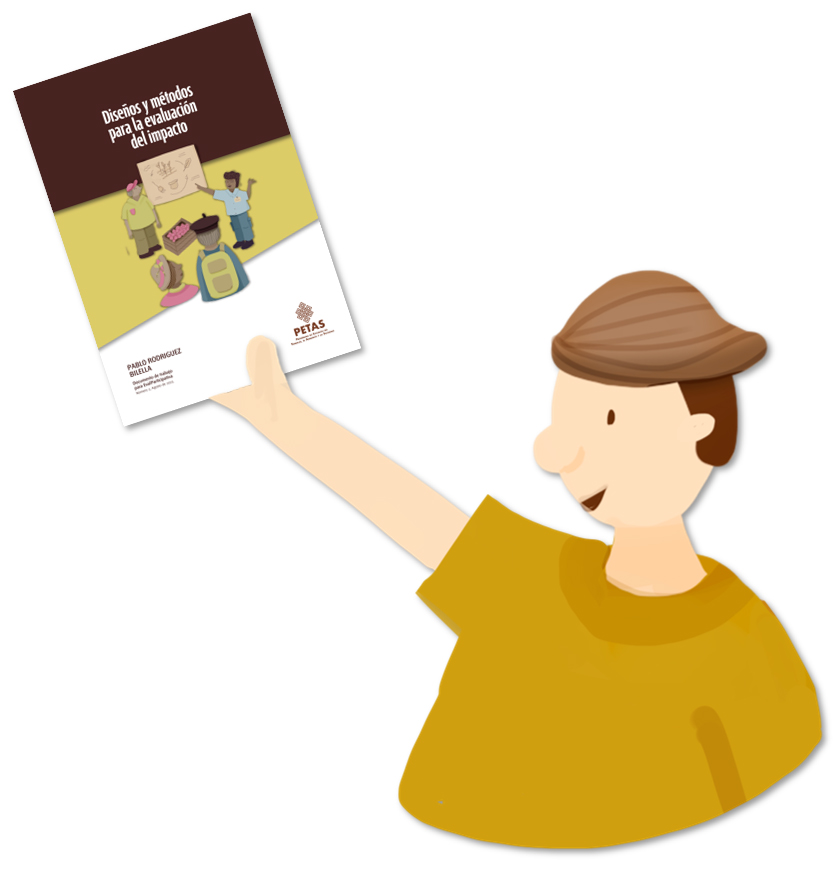 Over the past two decades, the movement aimed at achieving evidence-based policies has gained importance and prominence. It holds that policymakers should base their decisions on the best available evidence regarding “what works,” rather than on ideologies or in response to particular interests.
 DEVICES FOR COLLABORATIVE RESEARCH, ITINERANT COLLECTIVE MAPPING, CRITICAL CARTOGRAPHIES AND PEDAGOGICAL RESOURCES FOR COMMUNITY USE
 Outcome Harvesting is a participatory method used to identify, formulate, analyze, and learn from the changes brought about by an intervention, especially when cause-effect relationships are complex or unknown.
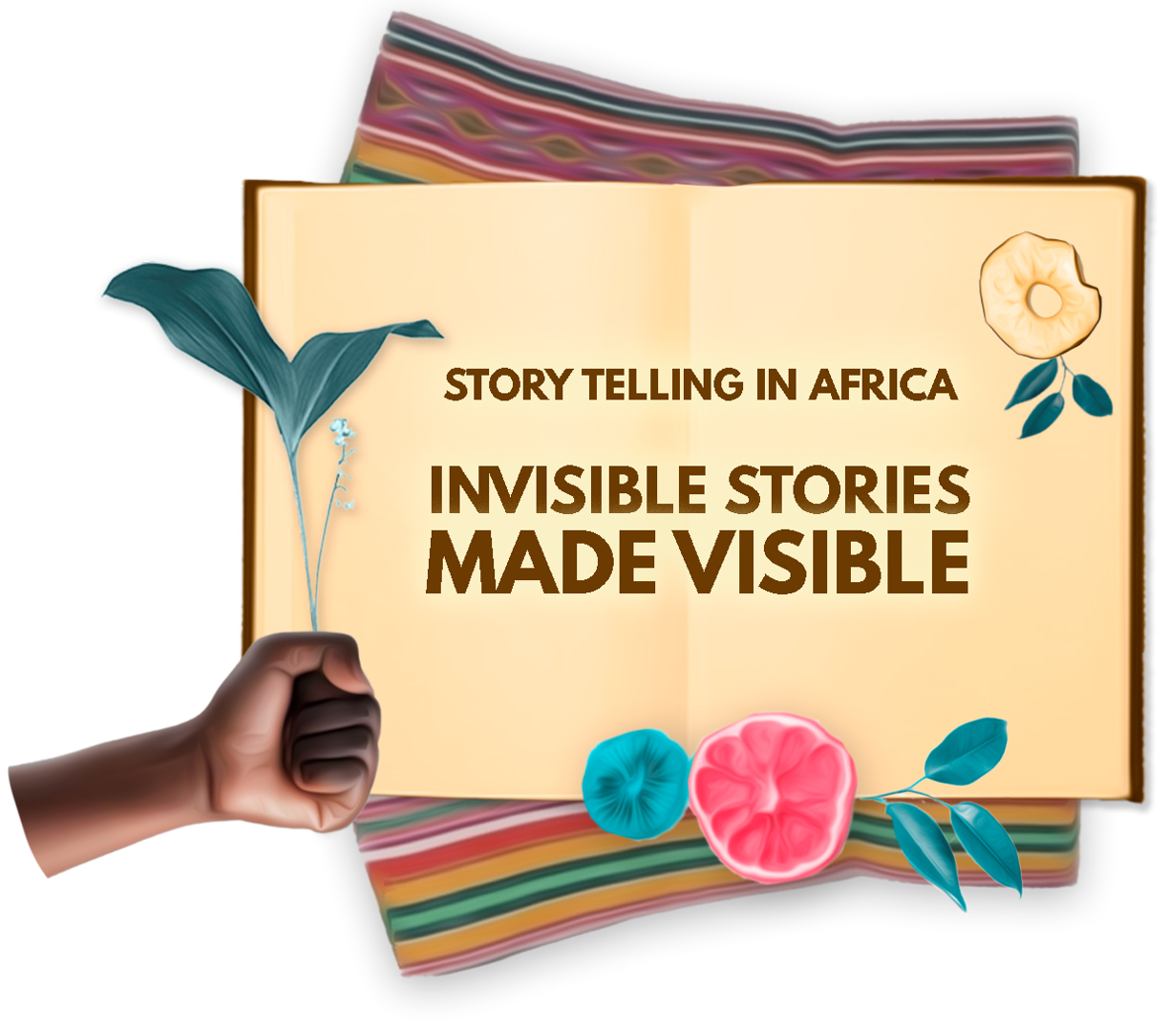 Storytelling is a universal human practice that has accompanied us throughout history. Through narrative, cultures communicate, educate and entertain — but they also transmit values, knowledge and collective memory. While it may seem simple, storytelling is a complex art that has evolved over time and continues to adapt to contemporary contexts and challenges.
 The Evaluation Expedition is a participatory tool that invites all stakeholders involved in a project to go on a journey through a symbolic forest which represents the complexity of an intervention. Along this journey, participants must respond to key questions that allow them to engage in a comprehensive reflection, dialogue and evaluation of their intervention.
 In this article I’ll present a tool designed jointly with Vanesa Castro and Valeria Sarmiento, members of the EvalParticipativa team, which was designed to help players participate in the review and critical analysis of a project, addressing the variables or feasibility factors that are most relevant to the intervention in question.
 The order of events in participatory evaluation does not stray far from that used in conventional evaluation. And yet, there are some clearly differentiating elements and steps that we need to be aware of if we want more actors to participate.
 Evaluation is a vast field of designs and methods in continuous development. The numerous parameters and choices associated with different methodological options can be difficult to fully understand without deep study and desk review.