by Mónica Ballescá
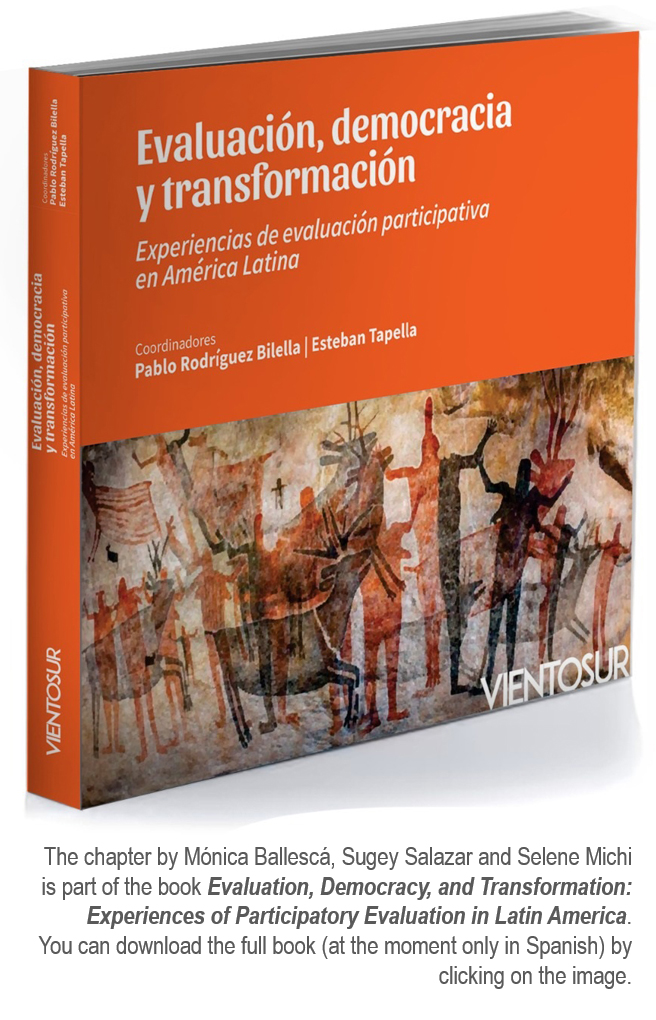
 I’m genuinely delighted to share a personal take on Chapter 7: Participatory evaluation of a public transport support policy: an inclusion and transformation perspective – Jalisco (Mexico), recently published in the book Evaluation, Democracy and Transformation: Experiences of Participatory Evaluation in Latin America. I co-wrote it with Sugey Salazar and Selene Michi, and together with other colleagues we reflect on what it really means to carry out public policy evaluation using participatory approaches from within the public sector.
This chapter sets out the details, practical insights and lessons from an evaluation process that, in my view, marked a real turning point in government practice in Mexico. It was one of the first participatory evaluations promoted from within the public sector at subnational level in the country, and the first to use a methodology that was later formalised and replicated in the years that followed.
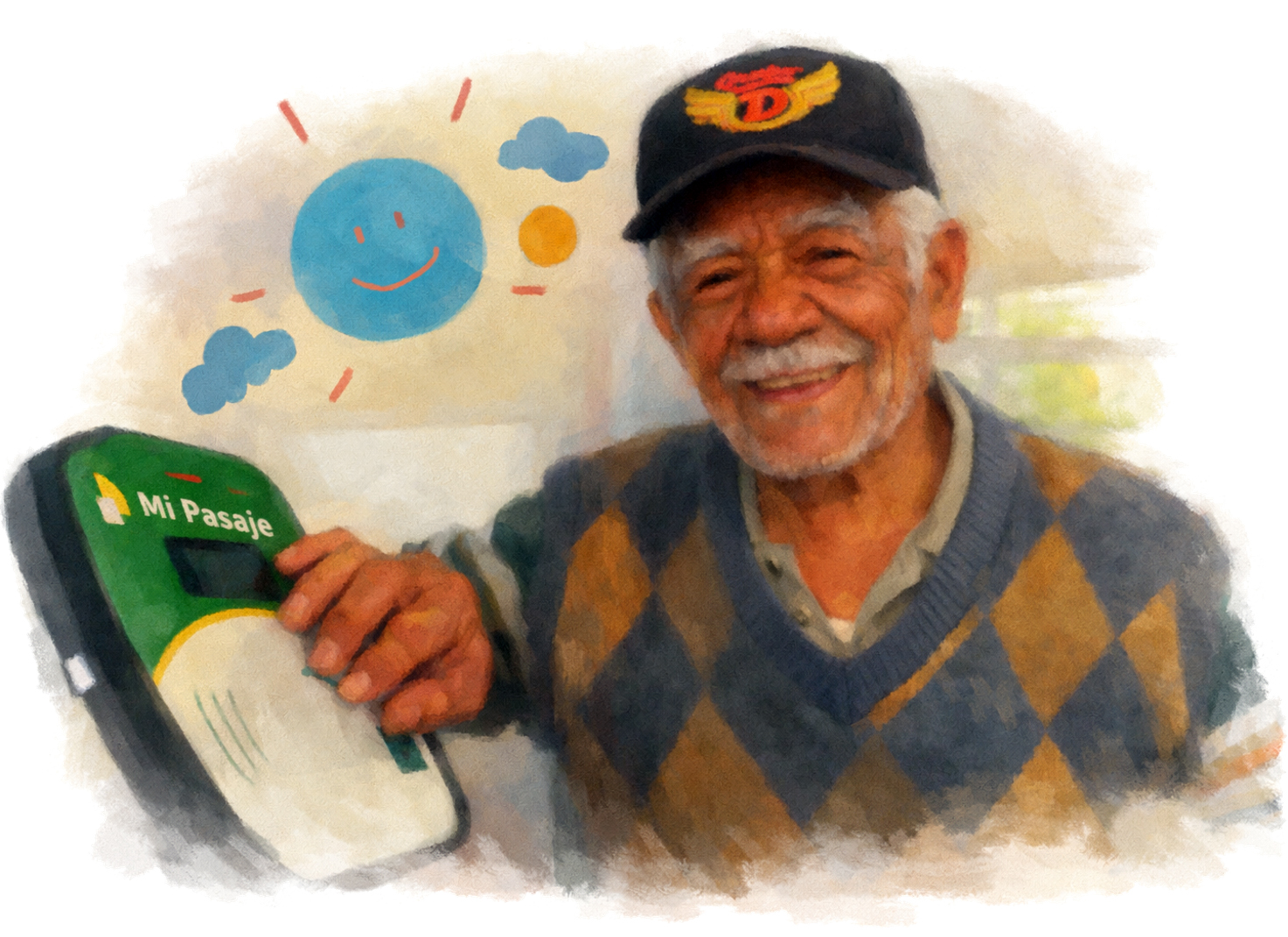
If you’re looking for concrete evidence of how participatory evaluation can work at subnational level, this chapter can serve as a roadmap. Just picture the challenge. In December 2018, the newly created Central Evaluation Unit (Evalúa Jalisco), part of the Ministry of Planning and Citizen Participation, decided to apply a participatory approach to the evaluation of a large-scale, high-impact public policy: the Mi Pasaje Programme. This is no small initiative. In 2019 alone, it provided free public transport tickets to 125,000 people, including older adults, students and people with disabilities. It is one of the largest social programmes in Jalisco, a Mexican state with nearly 8 million inhabitants.
 Participatory evaluation matters because it helps improve public policy and drive social change. Drawing on systems thinking, action research and popular education, the Evalúa Jalisco team set out to move beyond the usual technocratic, box-ticking approach focused mainly on accountability. Instead, the aim was to foster ownership and learning among everyone involved. In the chapter, we walk readers through the heart of the process and the four stages of the Participatory Evaluation Route: Select, Plan, Do and Use. But we don’t just describe the method. We also share the tensions, doubts and achievements that shaped each stage.
During the planning phase, we reached what we would consider a high level of participation. An Extended Working Group was set up, bringing together key actors: senior officials, programme managers, members of citizen councils, evaluators and, crucially, community users of the programme. The scope of the evaluation, its objectives and guiding questions were defined in a participatory planning workshop, through an open and horizontal process. One of the biggest hurdles was persuading the programme’s leadership team to genuinely open themselves up to this kind of evaluation. That required careful groundwork, trust-building and honest dialogue. The chapter also reflects on how we balanced meaningful participation with methodological rigour during the research phase.
There’s another key lesson we don’t want readers to miss: the challenge of helping the external evaluation team shift its mindset and step into a role as technical and methodological facilitator rather than detached expert. That shift was something we, as managers of the evaluation process, were already going through ourselves.
THE MORE PARTICIPATION, THE GREATER THE USE OF EVALUATION
So, was the change in perspective worth it? What did we actually see in terms of results? In the chapter we show that, in our experience, the hypothesis held true: participatory evaluation led to greater use of findings compared with the dozens of traditional evaluations we had managed over fifteen years at Evalúa Jalisco.
Improvements started early on. During the planning workshop itself, as we worked to create spaces of openness, empathy and shared understanding of context and roles, public officials identified practical changes that could be implemented quickly. And they did just that. One clear example was the reduction in waiting times during the registration process, from 40–50 minutes in 2019 to just 15 minutes by the 2022 delivery cycle.
For the programme’s leadership team, the evaluation findings confirmed strong public support and positive perceptions of the scheme. At the same time, they highlighted experiences of discriminatory treatment by bus drivers. This evidence supported internal budget decisions that accelerated the move from paper tickets to electronic cards, making the system work in the same way as it does for any other passenger.
There’s no doubt that designing and carrying out participatory evaluations requires a shift in mindset from everyone involved, both managers and frontline staff, as well as evaluators and researchers. It also demands tools and practices that build trust and encourage horizontal dialogue. It takes more time and resources. In our case, the questions covered design, process and outcomes, which effectively meant running three evaluations in one. But the payoff is significant. Not only does the intervention improve, but local actors also strengthen their ability to reflect, analyse and propose solutions.
We invite you to explore this pioneering experience of participatory evaluation from western Mexico, in the state of Jalisco. For us, it stands as a meaningful example of how evaluation can influence public management and contribute to democracy in action.